Smart, automated scheduling that scales with you
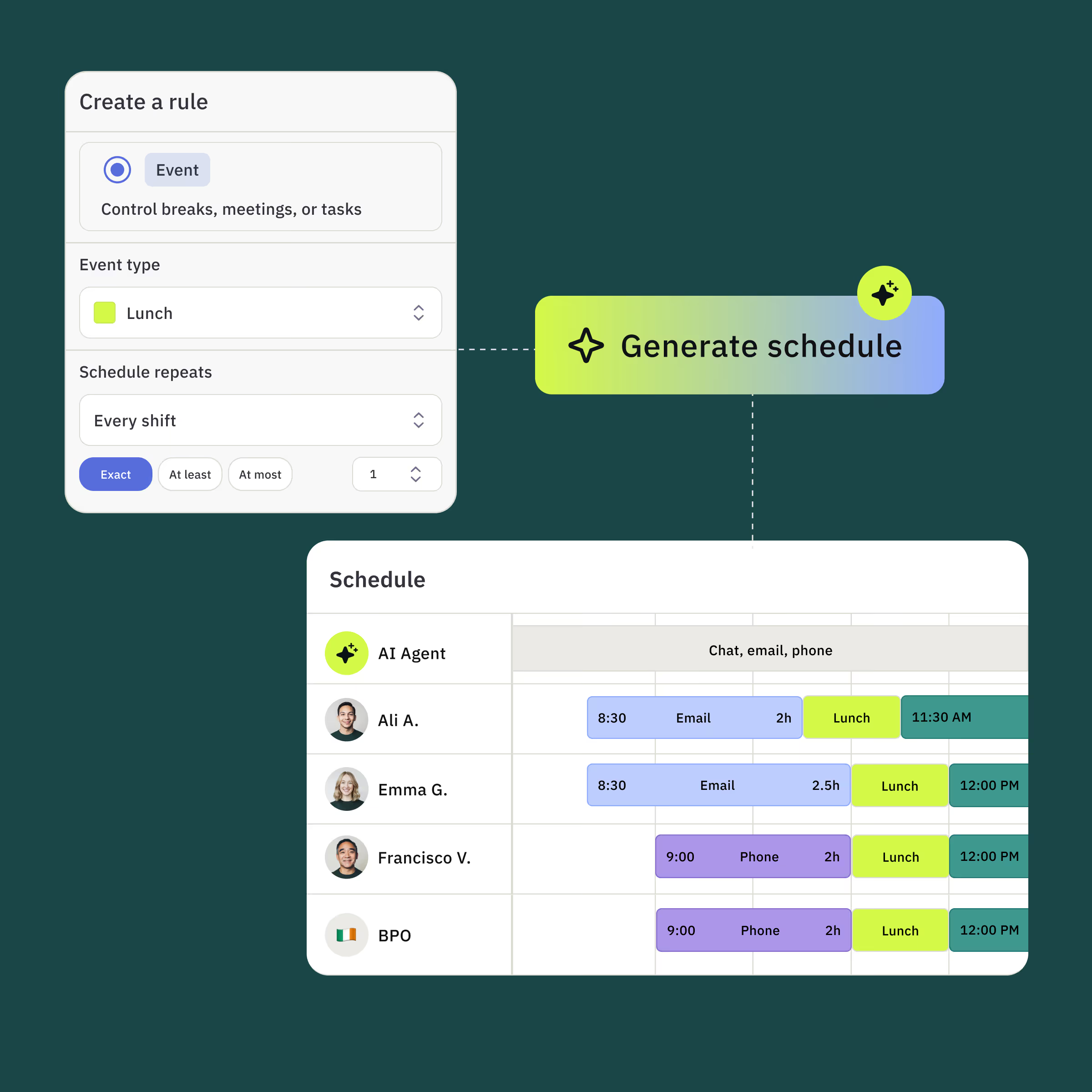
Create SLA-proof schedules with precision and ease. No more manual hassle, unforced errors, or scrambling when plans change. AI-powered scheduling adapts to real life while keeping your team happy.


90% less time spent building schedules — Pair Eyewear
Teams do better with Assembled
















































“Schedule generation turns what used to be an hour-plus task every Friday into just five minutes with only a few clicks. It's done a fantastic job of streamlining everything — easily my favorite Assembled feature!“

“Our previous tool would shut down all work — you couldn’t run reports or do anything else. With Assembled, we keep working. It’s not just faster — it’s functional.“

“My day-to-day work changed drastically. I was spending a lot of time on manual work, but now we have the chance to scale more projects, and collaborate more with other teams.“
We understand call center operators' headaches
Every one of these shows up in a WFM manager's week. Here's what changes when Assembled runs it instead.
The problem | How Assembled fixes it |
|---|---|
| Building next week's schedule eats a whole afternoon, every week. | Your business rules, shift durations, and break requirements get baked in once. Automated scheduling generates a compliant draft in minutes, not hours. |
| One agent calls in sick and your SLA is already broken. | Real-time intraday tools surface coverage gaps the second they open, and shortcuts let you patch multiple shifts in a few clicks — before anyone notices. |
| Spreadsheets don't know your overtime rules or break laws — you find out after the fact. | Built-in compliance checks flag violations — missed breaks, overtime, shift limits — before a schedule ever gets published. |
| Agents want flexibility. You want control. Spreadsheets give neither side what they need. | Agents swap shifts and request time off themselves, inside the limits you set — no Slack threads, no manual approvals. |
Common questions from WFM and support ops teams











Get a scheduling demo built around your team
15 minutes, no generic slide deck. See how automated scheduling would run with your actual rules and volume.
The 2026 WFM Buyer's Guide: 11 platforms compared
A side-by-side breakdown of Assembled, legacy enterprise WFM, and everything in between — pricing structure, setup time, and what each is actually built for.
Or run the numbers yourself → WFM ROI calculator